Painting Contractor Solutions: Transform Your Space With Expert Finishes
Professional painting contractors offer homeowners with valuable options for improving their homes. These skilled contractors handle issues like mold treatment and surface conditioning, ensuring lasting results. Their knowledge encompasses color psychology, which shapes the ambiance of a room. Knowing the complexities of choosing a painting professional can profoundly affect the outcome of a project. While homeowners weigh their alternatives, various critical elements become relevant that merit additional consideration.
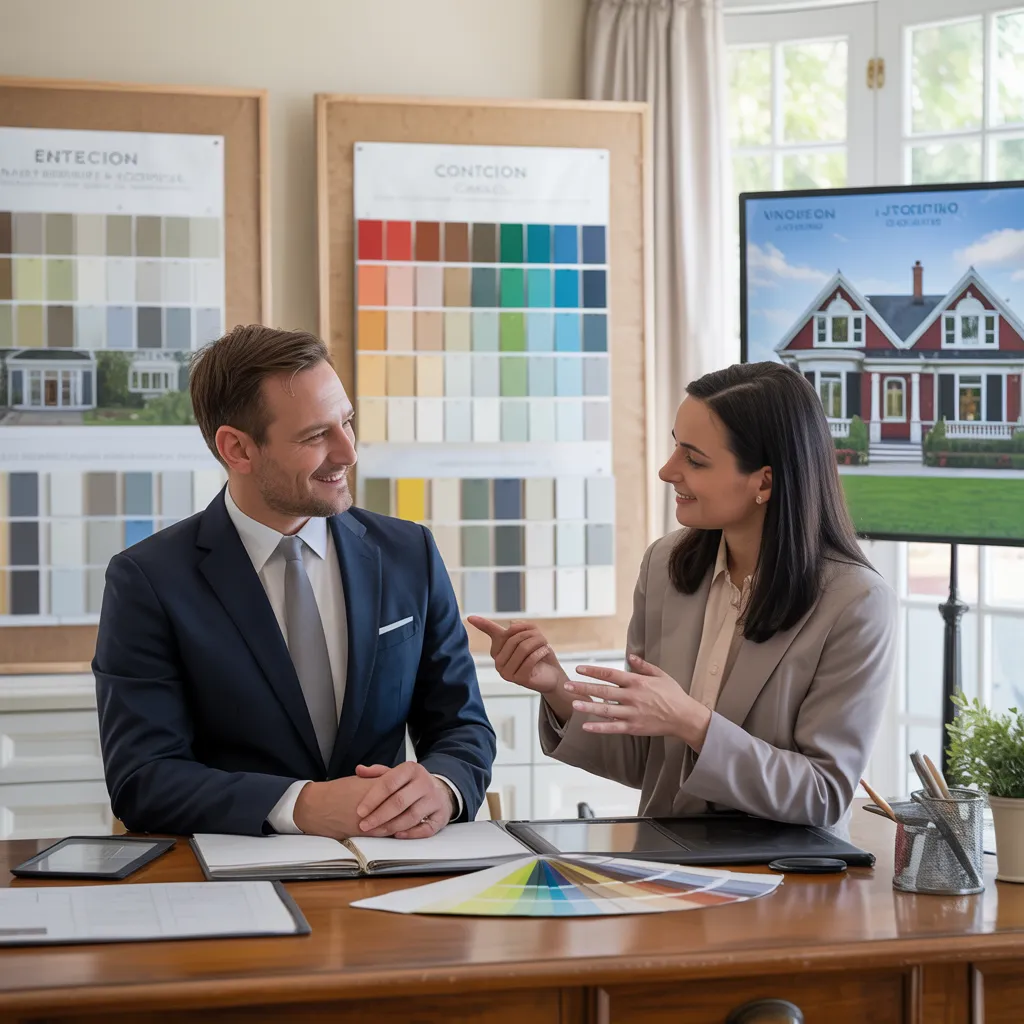
What Problems Do Professional Painting Contractors Solve?
Expert painting contractors handle a range of issues commonly encountered by homeowners and businesses. A key concern involves the need for surface preparation, involving cleaning, sanding, and priming walls to guarantee ideal paint adhesion. This step is critical for delivering a seamless, durable result. Furthermore, contractors assist in detecting and correcting hidden concerns such as mold or moisture damage that can compromise both aesthetics and structural integrity.
Time management is another vital concern, as experienced painters can handle projects more effectively than untrained individuals, allowing clients to focus on their daily activities. Furthermore, contractors have the knowledge to choose suitable paint types and shades, ensuring that the finished outcome aligns with the client's expectations and endures environmental conditions. Safety remains equally important; contractors are trained to handle hazardous materials and use equipment properly, limiting dangers involved in the painting operation. Overall, professional painting contractors provide valuable solutions to complex challenges in both residential and commercial settings.
Important Painting Approaches and Their Benefits
Skilled painting techniques serve an important function in achieving high-quality results in both residential and commercial projects. Among the most frequently used approaches is spray painting, which enables a seamless and even application and is ideally suited for extensive areas or fine details. Brush and roll application is another fundamental technique, which ensures improved accuracy at edges and corners, maintaining exactness throughout.
Additionally, techniques such as sponging or rag rolling can add visual texture and dimension, improving the aesthetic appeal of a space. The importance of a primer coat before beginning the painting process is crucial, as it strengthens adhesion and increases the durability of the final coat.
Moreover, thorough surface preparation, encompassing sanding and thorough cleaning, plays a major role in the overall result. Each method delivers unique advantages, eventually resulting in a sleek and professional result. By choosing the most suitable approaches, painting contractors have the ability to revitalize spaces, attaining results that fulfill or exceed the expectations of their clients.
How Color Consultation Transforms Your Space
Color consultation plays an essential role in defining the ambiance of a space. By understanding the psychological impact of colors, homeowners can craft surroundings that promote intended moods and actions. Furthermore, well-selected colors can complement existing furnishings, elevating the visual appeal of virtually any space.
The Psychology Behind Colors
When picking hues for a living area, one should reflect on the significant psychological effects colors can have on mood and perception. Colors affect feelings and actions, determining how people experience their space. As an copyrightple, warm shades like reds and yellows can inspire sensations of enthusiasm and coziness, while cooler shades like teals and blues tend to foster tranquility and calm. Neutral colors provide a versatile backdrop ideal for focus or rest. Grasping these impacts is essential for designing balanced environments suited to particular requirements. Specialized color advisory can guide clients in reaching thoughtful decisions, making certain that the chosen color scheme aligns with the desired ambiance, consequently elevating both practicality and beauty in the environment.
Harmonizing With Existing Decor
A thoughtful approach to complementing the existing design scheme can significantly improve the general appearance of a living area. Professional color guidance is essential in reaching this harmony. Experts assess the current elements, such as furniture, artwork, and architectural features, to propose color schemes that enhance rather than disrupt. By accounting for factors like natural light and room function, they create cohesive environments that inspire intended atmospheres. This method often encompasses choosing tones that unite different elements, ensuring a seamless flow throughout the room. Ultimately, professional color guidance not only enhances the aesthetic quality but also promotes feelings of balance and ease, creating a more appealing environment and representative of unique preferences.
Measuring Contractor Quality
How do homeowners go about determining the quality of a painting contractor? Appraising contractor quality involves several key steps. To begin, copyrightining portfolios of past projects can offer valuable insight into the contractor's style and level of detail. It is also advisable for homeowners to look for online reviews and testimonials, as these highlight previous client experiences and overall satisfaction. Checking for appropriate licenses and insurance is essential, as these credentials demonstrate professionalism and accountability.
Additionally, gathering several estimates can aid in evaluating the industry standard and the contractor's reliability in delivering thorough estimates. Asking for references from past clients allows homeowners to directly inquire about the contractor's work ethic and quality. To conclude, assessing responsiveness during initial interactions can indicate how well the contractor will partner throughout the undertaking. By following these steps, homeowners can arrive at educated choices and select a quality painting contractor that fulfills their expectations.
Essential Questions for Your Painting Contractor?
When hiring a painting contractor, it is important to ask the right questions to ensure a successful project. Key considerations include the contractor's qualifications and knowledge, the proposed timeline and scheduling, and recommendations for paint types. Addressing these points can help homeowners arrive at thoughtful choices and set clear expectations.
Level of Experience and Expertise
Assessing the experience and expertise level of a painting contractor is crucial for achieving a successful outcome. Clients should ask about the contractor's time in the field, as significant experience often correlates with advanced capabilities and problem-solving expertise. Moreover, checking for relevant certifications or training can provide insight into the contractor's focus on delivering quality work. Consider requesting copyrightples of past projects, as a impressive body of work can demonstrate expertise and artistry. Client testimonials and references also provide useful insights into the contractor's reliability and professionalism. Understanding the contractor's knowledge of different painting methods and materials can provide clients with greater confidence that their individual requirements will be addressed, ultimately leading to a more satisfying outcome.
Project Timeline and Scheduling
Understanding the schedule and timeline of a paint job is essential for homeowners to plan accordingly. When engaging a paint contractor, key questions should address the estimated duration of the project and the working availability of the contractor. Homeowners should inquire about any factors that may influence the timeline, such as environmental conditions or the surface preparation required for painted surfaces. It is also essential to discuss the contractor's hours of operation and any potential interruptions that could come up. By establishing a clear timeline, homeowners can more efficiently plan other aspects of their schedules, reducing interference during the paint job. Ultimately, effective communication regarding the schedule promotes a smoother, more efficient project experience.
Recommended Paint Types
Choosing the appropriate kind of paint can considerably affect the end result of a painting project. Homeowners should consult their paint professionals concerning various paint varieties, including latex, oil-based, and specialty paints. All of them provide specific advantages; for instance, latex paints cure rapidly and are simple to maintain, while oil-based paints offer lasting performance and a polished finish. Furthermore, considerations such as sheen—matte, eggshell, satin, semi-gloss, or gloss—can influence the overall look and maintenance requirements. Painting professionals can also suggest eco-friendly options for those concerned about environmental responsibility. By reviewing particular goals and expectations, customers can be confident they pick the ideal paint type to enhance their space effectively and satisfy enduring performance goals.
Getting Your Space Ready for a Professional Paint Job
Before any paint is applied to the wall, thorough preparation of the room is necessary for accomplishing a polished outcome. This process begins with removing furniture and covering floors with drop cloths to protect against spills. Surfaces should be completely washed to remove dust and grease, guaranteeing optimal paint adhesion. Any holes or imperfections must be filled with spackle and sanded smooth; this step is vital for a uniform appearance. Additionally, tape should be applied along edges, such as baseboards and windows, to create sharp lines and prevent paint bleed. discover the information Proper ventilation is also important, so opening windows or using fans can help facilitate a safe working environment. In conclusion, copyrightining the lighting conditions in the area will help in determining the ideal paint tones. By following these steps, homeowners can set the stage for a professional paint job that enhances the overall aesthetic of their space.
Questions Our Clients Often Ask
What Is the Typical Duration of a Painting Project?
A typical painting project generally requires 1 to 2 weeks to complete, subject to the scope and intricacy of the area, prep work needed, and the number of coats needed for ideal results.
What Types of Paint Finishes Are Available for My Project?
Several paint finishes can be found, such as matte, eggshell, satin, semi-gloss, and gloss. Each option delivers a different look and level of durability, accommodating a range of aesthetic tastes and functional needs for interior or exterior surfaces.
Do I Need to Be Home During the Painting Process?
Residents don't have to be present during the painting process. That said, being reachable for any questions or decisions can improve communication and ensure the results match their expectations, ultimately leading to a more satisfactory outcome.
What Is the Ideal Season for Exterior Painting Projects?
The optimal time of year for exterior paint jobs is usually late spring to early fall. During this time, the temperatures remain mild, humidity tends to be minimal, and circumstances are optimal for proper paint adhesion and drying, guaranteeing long-lasting results.
Are Environmentally Friendly Paint Options Available?
Yes, environmentally friendly paint choices are broadly offered, including natural and low-VOC paints. These paint options minimize their impact on the environment while preserving excellent quality, guaranteeing cleaner indoor air quality and better living conditions for homeowners and the planet.